
Redefining
Engineered for those who expect more from assistive technology, our systems deliver precise control in a refined, durable form—built for real-world use.
Know More
Know More
Know More
Overview
Overview
Overview
Proven by People, Designed to Perform
Backed by a global community of users, our systems combine thoughtful engineering with human-centered design—built to perform reliably.

Unmatched precision
Immerse yourself in sound
Immerse yourself in sound
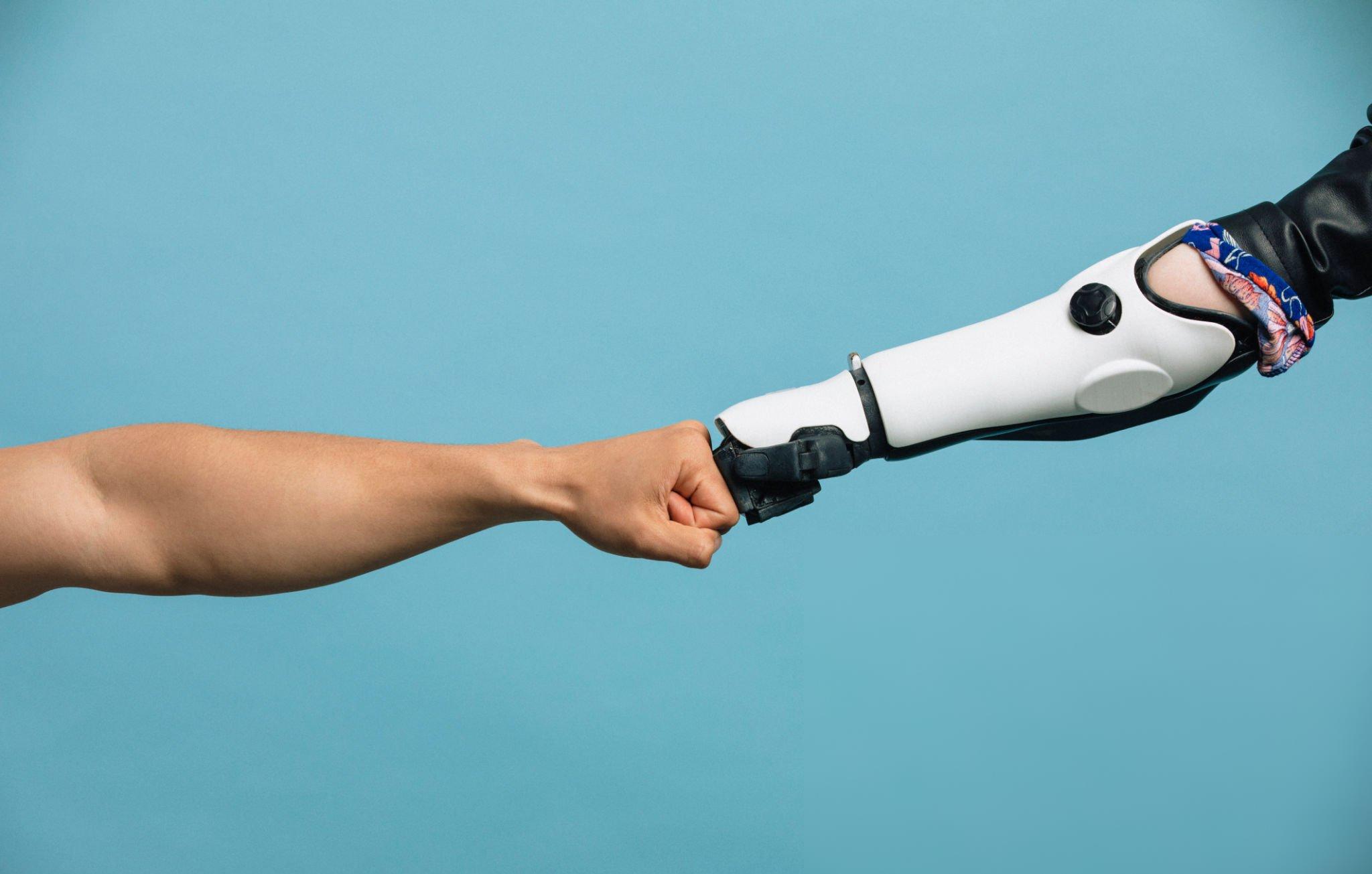
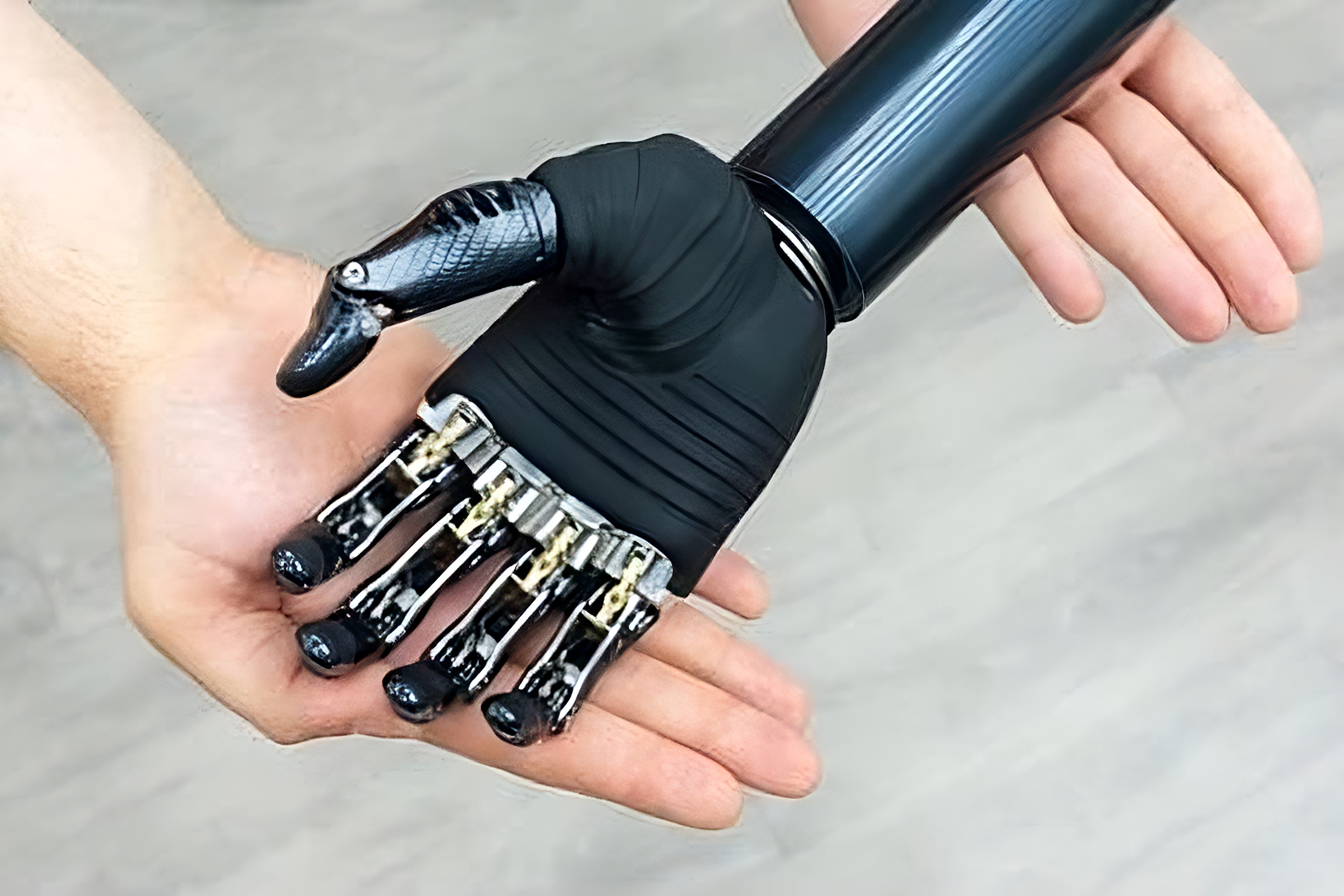
xbionics Q1
Adaptive bionic arm designed for precise, repeatable movement. Supports 12+ grip modes for everyday tasks and fine-motor control. Built for reliability in real-world use.
Know More
Know More
Know More
Feels like air
Feels like air
Feels like air
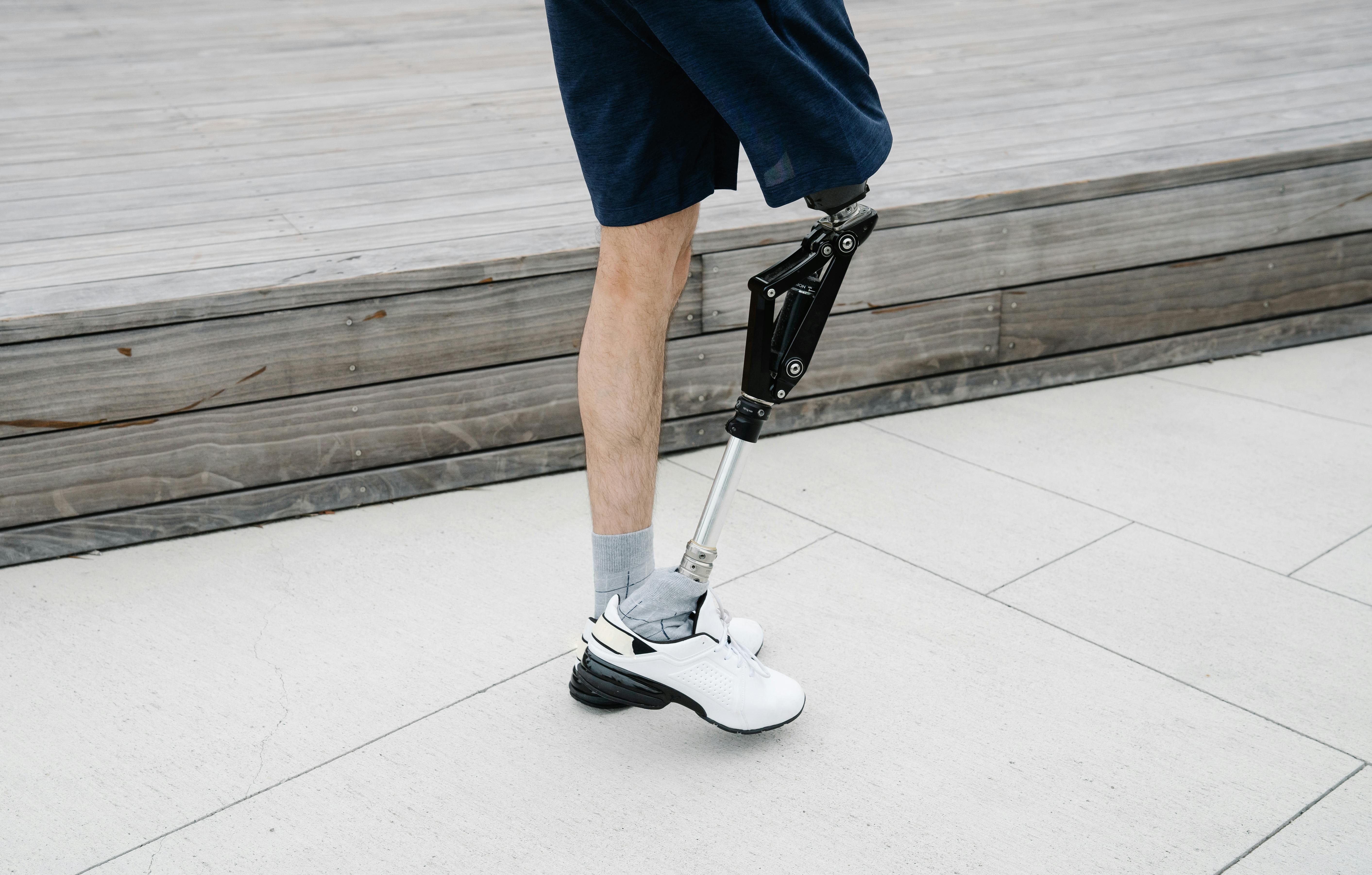
xbionics Y1
Lower-limb prosthetic engineered for stable, efficient gait. Designed to support natural movement with long-term comfort. Optimized for everyday mobility.
Know More
Know More
Know More
xbionics
xbionics
xbionics
What People
Are Saying
From engineers to Global Leaders, the community is talking about xbionics. See their views.
“Successful prosthetic technology begins with understanding people, not machines. It requires studying how individuals move, adapt, and interact with their environment in everyday life. When prosthetics are designed around real human behavior rather than idealized models, they become tools of empowerment instead of constraints.”

Todd Kuiken -Professor of Biomedical Engineering
“Successful prosthetic technology begins with understanding people, not machines. It requires studying how individuals move, adapt, and interact with their environment in everyday life. When prosthetics are designed around real human behavior rather than idealized models, they become tools of empowerment instead of constraints.”
Todd Kuiken -Professor of Biomedical Engineering
“Successful prosthetic technology begins with understanding people, not machines. It requires studying how individuals move, adapt, and interact with their environment in everyday life. When prosthetics are designed around real human behavior rather than idealized models, they become tools of empowerment instead of constraints.”
Todd Kuiken -Professor of Biomedical Engineering
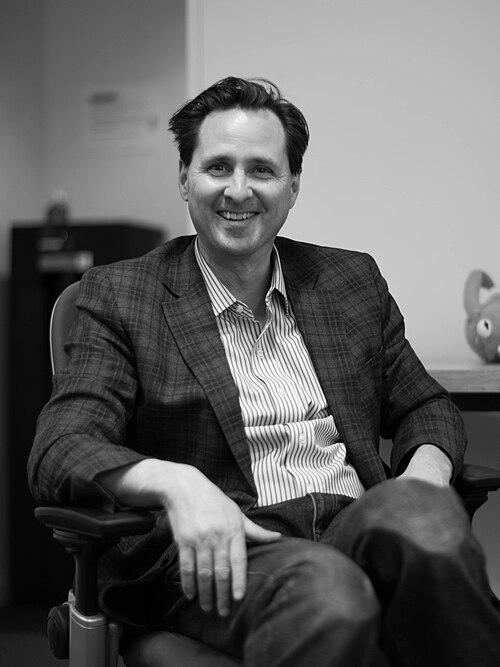
“The real goal of prosthetics is not simply to replace what was lost, but to restore the user’s ability to move, work, and live with confidence. A well-designed prosthesis should feel intuitive, integrated, and responsive to the person using it—so much so that the technology fades into the background and the human experience comes forward.”
Hugh Herr -Biophysicist
“The real goal of prosthetics is not simply to replace what was lost, but to restore the user’s ability to move, work, and live with confidence. A well-designed prosthesis should feel intuitive, integrated, and responsive to the person using it—so much so that the technology fades into the background and the human experience comes forward.”
Hugh Herr -Biophysicist
“The real goal of prosthetics is not simply to replace what was lost, but to restore the user’s ability to move, work, and live with confidence. A well-designed prosthesis should feel intuitive, integrated, and responsive to the person using it—so much so that the technology fades into the background and the human experience comes forward.”
Hugh Herr -Biophysicist
“Assistive technology carries a responsibility beyond engineering performance. Prosthetics must respect the user’s identity, comfort, and autonomy. The best systems are those that support human capability quietly—without demanding constant attention or adaptation from the person wearing them.”
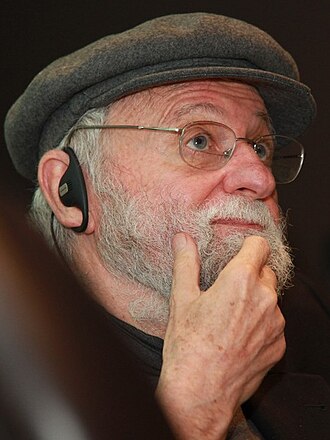
Don Norman -American Researcher
“Assistive technology carries a responsibility beyond engineering performance. Prosthetics must respect the user’s identity, comfort, and autonomy. The best systems are those that support human capability quietly—without demanding constant attention or adaptation from the person wearing them.”
Don Norman -American Researcher
“Assistive technology carries a responsibility beyond engineering performance. Prosthetics must respect the user’s identity, comfort, and autonomy. The best systems are those that support human capability quietly—without demanding constant attention or adaptation from the person wearing them.”
Don Norman -American Researcher
“Prosthetic technology succeeds only when it aligns with the complexity of human life. That means designing systems that respond to natural movement, adapt to individual differences, and support the user without demanding constant attention. When prosthetics are built around real people rather than idealized use cases, they become extensions of capability instead of obstacles to overcome.”

Aimee Mullins -American Athlete
“Prosthetic technology succeeds only when it aligns with the complexity of human life. That means designing systems that respond to natural movement, adapt to individual differences, and support the user without demanding constant attention. When prosthetics are built around real people rather than idealized use cases, they become extensions of capability instead of obstacles to overcome.”
Aimee Mullins -American Athlete
“Prosthetic technology succeeds only when it aligns with the complexity of human life. That means designing systems that respond to natural movement, adapt to individual differences, and support the user without demanding constant attention. When prosthetics are built around real people rather than idealized use cases, they become extensions of capability instead of obstacles to overcome.”
Aimee Mullins -American Athlete
Designed for Pure Performance
01
All-Day Wearability
Ultra-light optical design optimized for long sessions, delivering continuous performance without fatigue or distraction.
01
All-Day Wearability
Ultra-light optical design optimized for long sessions, delivering continuous performance without fatigue or distraction.
01
All-Day Wearability
Ultra-light optical design optimized for long sessions, delivering continuous performance without fatigue or distraction.
02
Adaptive AI Intelligence
An embedded AI system that understands intent, context, and priorities—responding proactively, not reactively.
02
Adaptive AI Intelligence
An embedded AI system that understands intent, context, and priorities—responding proactively, not reactively.
02
Adaptive AI Intelligence
An embedded AI system that understands intent, context, and priorities—responding proactively, not reactively.
03
Real-Time Cognitive Overlay
See only what matters—contextual information rendered instantly into your field of view, without blocking the real world.
03
Real-Time Cognitive Overlay
See only what matters—contextual information rendered instantly into your field of view, without blocking the real world.
03
Real-Time Cognitive Overlay
See only what matters—contextual information rendered instantly into your field of view, without blocking the real world.
04
See only what matters
A distraction-free visual layer that surfaces insight only when needed, keeping attention anchored to the real world.
04
See only what matters
A distraction-free visual layer that surfaces insight only when needed, keeping attention anchored to the real world.
04
See only what matters
A distraction-free visual layer that surfaces insight only when needed, keeping attention anchored to the real world.